

Despite massive spending on flood management, deadly storms continue to claim lives across the Philippines, raising urgent questions about the effectiveness of government projects.
Since 2022, more than ₱545 billion has been allocated to flood control initiatives. However, investigations have revealed the existence of “ghost projects,” where funds were released but little to no work was completed. Both executive and legislative bodies are now scrutinizing how these funds were spent.
Data from disaster authorities shows that an average of 212 people have died annually from weather-related events since 2022. In 2022, Cyclone Agaton killed 187 people in Western Visayas despite billions already invested in completed flood projects. In 2023, Bicol and CAR saw the highest fatalities from cyclones Egay and Falcon, even though Bicol had nearly three times the flood spending of CAR. In 2024, storms Kristine and Leon left over 100 dead in Calabarzon, which had more than ₱37 billion in flood control spending.
The contrast between heavy investment and high casualty rates underscores gaps in implementation and monitoring. Officials acknowledge inefficiencies, while inquiries aim to determine accountability. Ultimately, the cost of failed projects is not only measured in pesos but in lost lives.
Billions Spent on Flood Control, But Deadly Disasters Persist in the Philippines
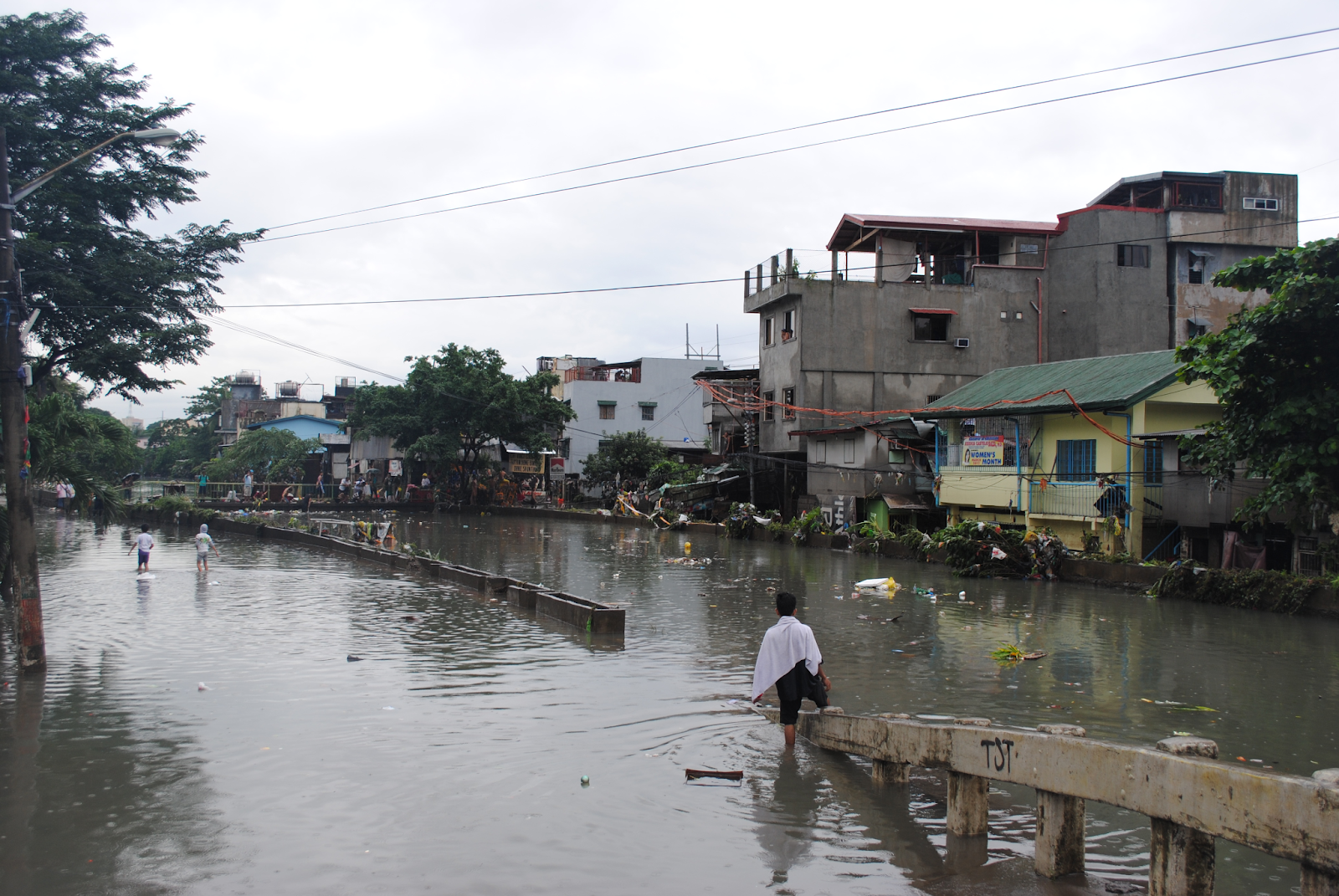
Picture Credit: commons.wikimedia.org
249
previous post
