

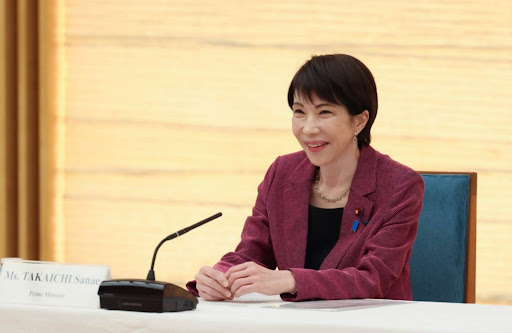
Japan is navigating the Middle East energy crisis with both urgency and restraint, announcing the country will begin its biggest-ever oil release from national strategic reserves this Thursday. Prime Minister Sanae Takaichi revealed that around 80 million barrels — equivalent to 45 days of domestic oil demand — will be released to refiners. The decision reflects the dual pressure Japan faces: an acute energy supply threat and the need to maintain its diplomatic and constitutional commitments.
Japan’s reliance on Middle Eastern crude oil stands at over 90%, and the Strait of Hormuz sits at the center of its energy supply chain. Any extended closure of the waterway would have immediate and severe consequences for Japan’s refiners, transport networks, and manufacturing industries. The government has responded by mobilizing its strategic reserves to an unprecedented degree.
The current release is 1.8 times larger than the emergency drawdown made after the Fukushima nuclear disaster of 2011, marking it as a landmark in Japan’s energy history. Total Japanese oil reserves currently stand at approximately 470 million barrels — covering 254 days of domestic consumption. The government also approved 15 days of private-sector reserve releases last week, with both measures working in tandem.
Retail gasoline prices had surged to a record ¥190.8 per litre, prompting the government to introduce weekly-reviewed fuel subsidies targeting a cap of ¥170. Consumer anxiety, fanned by social media posts, has raised unnecessary concerns about toilet paper availability, but officials and the Japan Household Paper Industry Association have confirmed that supply remains secure. The industry noted that 97% of Japan’s toilet paper is made domestically from recycled materials, entirely insulated from Middle East supply issues.
Japan has firmly declined to militarize its response, with Takaichi rejecting Trump’s call for naval deployment to the Strait of Hormuz on constitutional grounds. Tokyo is committed to pursuing peace through diplomatic channels while protecting domestic energy security through strategic reserve management. The government’s balanced approach — decisive on supply, restrained on military — reflects Japan’s broader vision of responsible global citizenship.