
The United Kingdom is learning a hard lesson about the downsides of partial trade agreements, as Donald Trump’s new tariff threats target the very sectors left unprotected by its recent deal with the United States. The 100% duty threatened on pharmaceuticals highlights the immense risk of securing protections for some industries while leaving others, however critical, exposed.
The tariff deal negotiated by Keir Starmer five months ago was hailed as a success for shielding the car, steel, and aerospace industries. At the time, the exclusion of pharmaceuticals may have seemed like a necessary compromise. Now, with that sector facing a potentially devastating blow, the decision is being cast in a much harsher light, revealing the agreement’s incomplete and ultimately fragile nature.
The British government is now in a reactive posture, trying to patch the hole in its trade defenses. A spokesperson admitted the situation is “concerning” and has pledged to “actively engage” with the US. This diplomatic scramble is a direct consequence of the initial agreement’s narrow scope, forcing the UK to renegotiate from a position of sudden weakness.
The episode contrasts sharply with the European Union’s approach. The EU’s 15% blanket tariff deal was criticized by some as a bad deal, but officials now point to it as an “insurance policy” that provides a baseline of protection for all sectors, including pharmaceuticals. While not a perfect shield, it prevents the kind of extreme, targeted threat now facing the UK.
As the October 1st deadline nears, the UK faces an uncertain future. The crisis serves as a powerful case study for any nation negotiating with the “America First” administration: a partial deal can be just as dangerous as no deal at all, as it can create a false sense of security while leaving vital economic interests vulnerable to sudden attack.
A Deal’s Downside: UK Learns a Hard Lesson on Partial Trade Agreements
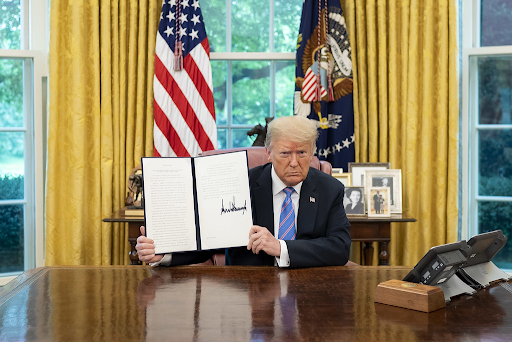
Picture Credit: www.flickr.com
68
