

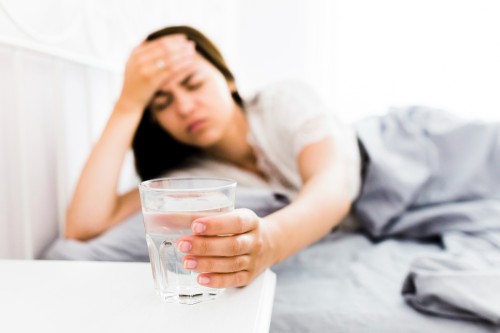
Dehydration is a condition that arises when the body loses more fluids than it absorbs, disrupting normal bodily functions. Health specialists caution against waiting until thirst occurs to drink water, as the sensation of thirst typically indicates that the body is already in need of hydration. In today’s fast-paced world, various aspects of modern living inadvertently contribute to dehydration. Whether it’s spending extensive periods in air-conditioned settings, enduring hot weather during commutes, consuming large amounts of tea or coffee, neglecting water intake amid hectic work schedules, or failing to replenish fluids post-exercise, these factors can all diminish hydration levels. Even those who spend most of their time indoors might experience gradual dehydration without evident symptoms.
The ramifications of mild dehydration are notable, as it can impair concentration, reduce energy, and negatively affect physical performance and overall health. Since the body’s thirst signals may not activate immediately, it is crucial to maintain a consistent intake of fluids throughout the day. While water should be the primary source of hydration, sustaining a healthy balance of electrolytes—such as sodium, potassium, and chloride—is also vital. These minerals are essential for regulating fluid balance, supporting muscle function, and ensuring healthy nerve activity.
In instances of heavy sweating, prolonged physical exertion, illnesses that involve vomiting or diarrhea, fever, or extended exposure to high temperatures, the body loses both water and electrolytes. During these times, electrolyte-rich hydration solutions can be more effective than water alone in restoring the balance of fluids. It is advisable to opt for products that are low in added sugars and have a suitable balance of electrolytes.
Adopting simple daily habits can significantly help in maintaining adequate hydration levels. Starting the day with a glass of water, keeping a refillable water bottle at hand at work or during travel, and taking regular water breaks during prolonged meetings or screen times are practical strategies. Additionally, increasing fluid consumption during hot weather, physical activities, or while traveling, along with consuming water-rich foods like watermelon, cucumber, oranges, and tomatoes, can contribute to better hydration. After episodes of heavy sweating or illness, it is important to replenish both fluids and electrolytes.
Maintaining proper hydration is one of the simplest yet most effective ways to support overall health. Ensuring that the body is well-hydrated can enhance energy levels, improve focus and mood, boost physical performance, and aid in the efficient functioning of bodily systems every day.