

Business Secretary Peter Kyle’s new steel strategy is taking shape, with a clear goal: to “secure the future of steel production” at the state-controlled Scunthorpe plant. His chosen method, a transition to electric arc furnaces (EAFs), achieves this but comes at a cost that workers and industry experts are finding hard to swallow.
The plant’s future was in grave doubt in April, with its Chinese owner, Jingye Steel, threatening a complete shutdown. Kyle’s EAF plan, part of a December strategy, would end that uncertainty and align the plant with net-zero carbon targets.
However, the cost is twofold. First, the human cost: EAFs are less labour-intensive, and the plan “raise[s] doubts about the fate of blast furnaces that employ thousands of people.” The 2,500 job cuts at Port Talbot serve as a stark warning to the workforce.
Second, the strategic cost: the UK would lose its “primary steelmaking” ability. This is a direct contradiction of the government’s own justification for taking control of the plant in the first place. Unions are now insisting this capability be maintained.
A potential solution, a green hydrogen-based DRI plant, is being considered but is viewed by industry sources as potentially unviable financially. With the government’s £2.5bn steel fund already depleted by operational costs, the minister’s plan secures the plant’s future by sacrificing its current form.
Minister’s Steel Strategy: Secure Plant’s Future, But at What Cost?
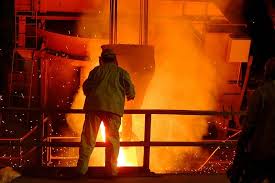
Picture credit: www.rawpixel.com
48
