

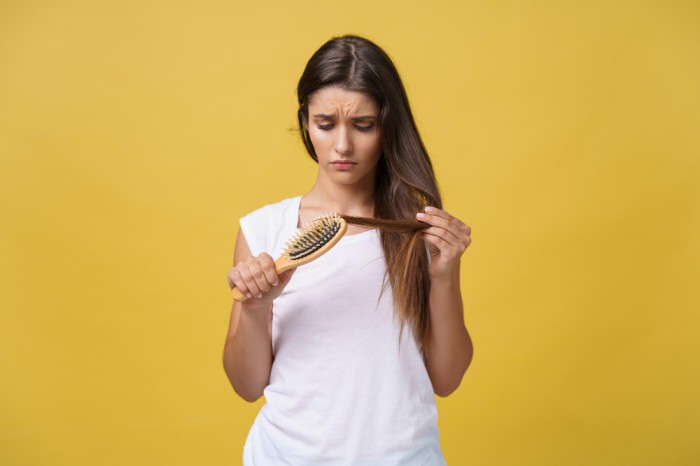
Hair loss is increasingly becoming a concern for young adults and working professionals, with many experiencing more than the usual amount of hair shedding or thinning. While daily hair loss is normal, a noticeable and persistent reduction in hair density can indicate a deeper health issue. Among the most prevalent causes of hair loss are stress-related hair fall and hormonal imbalances, each with distinct symptoms, triggers, and treatment protocols.
Experts describe stress-related hair fall, known in medical terms as telogen effluvium, as a condition that arises following physical or emotional stress. Various factors such as illness, high fever, surgical procedures, sudden weight loss, sleep disturbances, work-related stress, or emotional trauma can trigger this condition. This type of hair loss occurs when hair follicles prematurely enter the resting phase, leading to sudden and widespread shedding across the scalp. Individuals often observe increased hair loss when washing, combing, or on their pillows, with the phenomenon typically occurring two to three months after the stress event. Fortunately, this form of hair loss is often temporary and can improve once the stressor is removed.
In contrast, hormonal hair loss develops gradually and tends to worsen over time. For women, it may be associated with conditions like polycystic ovary syndrome (PCOS), thyroid problems, menopause, hormonal changes from pregnancy, or genetic predispositions. Men frequently face androgenetic alopecia, commonly referred to as male-pattern hair loss. Unlike stress-induced shedding, hormonal hair loss usually follows a recognizable pattern. Women may notice a widening in their hair parting or thinning around the crown, while men often experience a receding hairline or thinning at the scalp’s top.
Doctors caution against self-diagnosis or relying solely on internet remedies, oils, or supplements without a thorough medical evaluation. Hair loss can stem from various causes, including vitamin deficiencies, thyroid imbalances, iron shortages, or hormonal disorders. Health professionals advise early diagnosis through scalp examinations, medical history assessments, and if necessary, blood tests. Stress-related hair loss may be managed with lifestyle changes, stress reduction, proper nutrition, and hair care. In contrast, hormonal hair loss often necessitates long-term medical treatment and monitoring.
Specialists stress the importance of identifying the root cause of hair loss early, as this can help maintain hair health and improve the results of treatment efforts. Understanding the specific type of hair loss one is experiencing is crucial for effective management and prevention of further hair thinning. By addressing the underlying issues promptly, individuals can better preserve their hair’s health and appearance.