

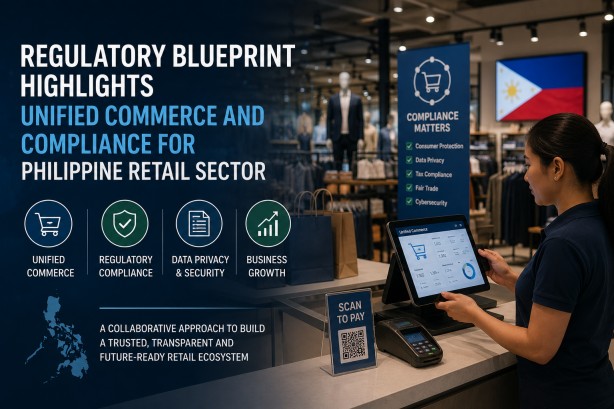
In a move towards modernizing retail operations, a new regulatory framework is urging Philippine retailers to integrate compliance directly into their business processes. This initiative underscores the necessity of treating regulatory adherence as an integral part of everyday commerce activities, rather than as a separate entity. By doing so, businesses are expected to achieve greater efficiency, enhance transparency, and foster customer trust.
The framework proposes that retailers streamline their operations by aligning critical functions such as sales, inventory management, taxation, and reporting with regulatory requirements through comprehensive digital systems. This integrated approach is designed to help businesses mitigate compliance risks, boost operational precision, and adapt more swiftly to evolving regulations. The emphasis is on creating a seamless connection between compliance and commerce, which is especially vital in the rapidly digitizing retail sector.
With digital transformation sweeping across the industry, many organizations are turning to technology-driven solutions that automate compliance processes while maintaining smooth commerce operations. The regulatory blueprint highlights the significance of scalable infrastructure, robust data security, and real-time reporting capabilities, which are essential for meeting both business and regulatory needs. This aligns with the broader trend of adopting digital strategies that support operational excellence and regulatory alignment.
The report emphasizes that by embracing a unified strategy for commerce and compliance, retailers can significantly enhance their operational resilience. This approach simplifies regulatory obligations and enables businesses to create a more agile environment, one that is better suited to support sustainable growth over the long term. As the retail landscape continues to evolve, the integration of compliance into core business processes is becoming increasingly crucial for success.
Legal Disclaimer: The information contained in this article has been provided by independent third-party contributors, clients, or content partners. We do not independently verify the accuracy, completeness, legality, ownership, licensing, or reliability of submitted content, including text, images, videos, trademarks, or other media materials. The submitting party is solely responsible for ensuring that all content, including images and media assets, complies with applicable copyright, trademark, licensing, and intellectual property laws. We disclaim liability for any unauthorized use of copyrighted or proprietary materials by third parties. If you believe that any content published on this platform infringes your intellectual property rights, kindly contact the author above for prompt review and resolution.