

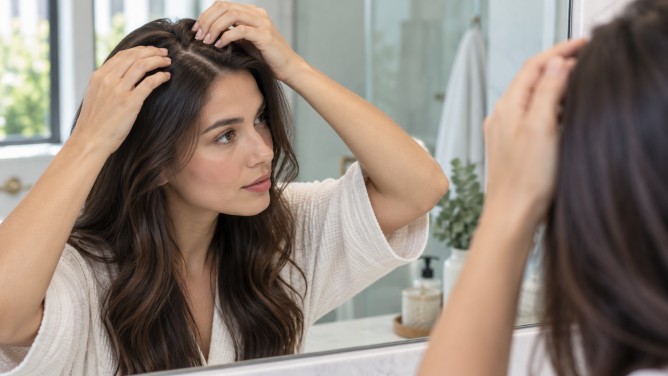
While many people focus on haircare products like shampoos and conditioners, maintaining a healthy scalp is equally crucial for overall hair health. The scalp, which naturally produces oil and sheds dead skin cells, can exhibit signs that it needs attention even if your hair appears clean. Recognizing these signs early can help adjust care routines and determine when professional advice is necessary.
The scalp plays a vital role in protecting hair follicles and maintaining conditions necessary for normal hair growth. An imbalance in scalp health can lead to discomfort, irritation, and even changes in hair shedding. Five key warning signs indicate that your scalp may require extra care.
First, if you experience tightness or stinging after washing, it may signal irritation or sensitivity. This could be due to harsh cleansing products or frequent washing. Opting for a gentle shampoo might alleviate these symptoms, and persistent discomfort should be evaluated by a dermatologist.
Second, recurring flakes may suggest more than just dryness. Conditions like seborrhoeic dermatitis could be at play if flakes are accompanied by redness or itching. An anti-dandruff shampoo might help, but severe cases warrant medical assessment.
Third, quickly oily roots could mean it’s time to reassess your cleansing routine. Although natural oil, or sebum, is beneficial, adjusting product usage and washing frequency can better suit your scalp type without stripping it of essential oils.
Fourth, a coated or heavy feeling around the roots might arise from product build-up or incomplete rinsing. Moderating styling product use and ensuring thorough rinsing can help. If the sensation persists, especially with itching or redness, further evaluation is advised.
Finally, noticeable changes in hair shedding, such as increased shedding or visible thinning, should not be ignored. Various factors, including stress and hormonal changes, can contribute to hair loss, and a dermatologist can offer guidance on the appropriate course of action.
Adopting simple habits like washing based on scalp needs, using suitable products, and avoiding aggressive scrubbing can promote a healthier scalp. Persistent scalp issues should be addressed with professional advice to ensure both scalp and hair remain in optimal condition.