

The technical details of South Korea’s new security agreement with the U.S. have sparked a fierce response from North Korea. On Tuesday, Pyongyang condemned the deal, which grants Seoul the right to reprocess spent fuel and enrich uranium, warning it would cause a “nuclear domino” effect. These capabilities are the building blocks for nuclear-powered submarines, a strategic asset that North Korea views as a major threat.
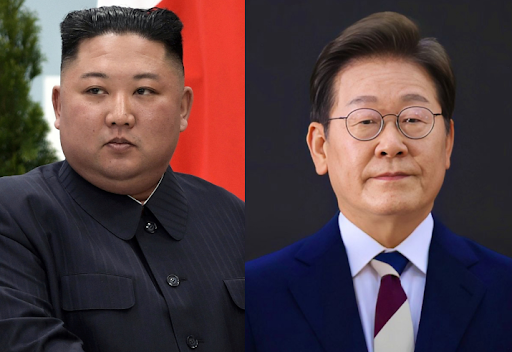
President Lee Jae Myung announced the finalization of the agreement last week. By securing U.S. support for these technologies, South Korea aims to modernize its navy with long-endurance atomic vessels. However, North Korea’s state media described the program as a “dangerous attempt at confrontation,” predicting that it is “bound to cause” a hot arms race in the region.
This technical dispute has overshadowed a significant political gesture. Just one day before the North’s commentary, Seoul proposed military talks to prevent border clashes—the first such offer in seven years. President Lee has pushed for unconditional discussions, seeking to move past the hawkish policies of the previous administration. But the North seems focused on the hardware, not the handshake.
The “nuclear domino” warning suggests that North Korea fears a slippery slope. If South Korea is allowed to reprocess fuel, it moves closer to full nuclear latency. The commentary implies that this will force the North, and potentially others, to ramp up their own capabilities, creating a dangerous cycle of proliferation.
North Korea has yet to respond to the offer for military talks. The fixation on the reprocessing rights indicates that the North views the technical aspects of the deal as a red line. As long as the submarine program proceeds, the path to dialogue appears to be blocked by mutual suspicion and military competition.
Spent-Fuel Reprocessing Rights Trigger North Korean Anger
Picture Credit: www.commons.wikimedia.org
72
