

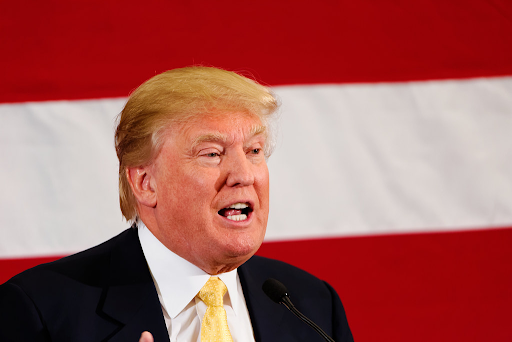
President Donald Trump’s new $100,000 annual H-1B fee is being interpreted as less of a fee and more of a de facto “Hire American” mandate. The financial barrier is so extraordinarily high that it is clearly intended to stop the use of the program for all but the most extreme circumstances, effectively forcing companies to look within U.S. borders for talent.
This intention was made explicit by Commerce Secretary Howard Lutnick. “If you’re going to train somebody, you’re going to train one of the recent graduates from one of the great universities across our land,” he stated, directly linking the policy to the goal of boosting employment for American graduates. The administration is using this financial lever to compel a shift in corporate hiring culture.
The policy challenges the very premise that companies have used to justify their reliance on the H-1B program: the existence of a domestic skills gap. By making foreign hires prohibitively expensive, the administration is essentially calling the industry’s bluff. It operates on the assumption that American workers can, in fact, do these jobs and have been sidelined in favor of foreign labor.
Critics argue this approach is dangerously simplistic. They contend that specialized skills, particularly in emerging tech fields, are not a simple commodity that can be sourced on demand. Building a domestic talent pipeline takes years of investment in education and training. In the meantime, a mandate to hire locally could leave critical roles unfilled, slowing innovation.
While the “Hire American” message has strong political appeal, its practical application through this surcharge is fraught with risk. The legality of such a mandate-by-fee is highly questionable and will be vigorously challenged. The outcome will determine whether a presidential administration can use its fee-setting authority to enforce a national hiring preference.
A ‘Hire American’ Mandate? Unpacking the Goal of the New H-1B Surcharge
Picture Credit: www.flickr.com
62
