

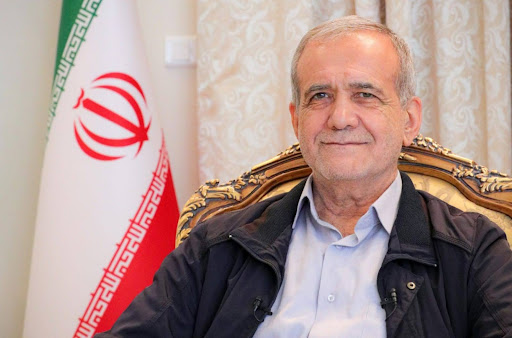
President Masoud Pezeshkian has highlighted the risks of foreign influence in the Gulf during the current regional conflict. He claimed that “development” is being stifled by the U.S. and Israeli management of combat operations from regional bases. This perspective was shared as the conflict surpassed its first month of active and destructive engagement on March 30, 2026.
Nations such as Saudi Arabia, the UAE, and Oman have seen their security compromised by their host-nation status. As the U.S. military launches strikes from these territories, Iran has responded with its own retaliatory fire. This has turned a bilateral dispute into a wider regional crisis that affects all members of the Gulf Cooperation Council.
Pezeshkian clarified that Iran’s military actions are purely responsive and aimed at self-defense. He stated that as long as Iranian infrastructure is not targeted, Iran will not launch preemptive strikes. This message is designed to place the responsibility for peace on the shoulders of neighboring governments.
The significance of this development lies in its potential to alter the long-standing security arrangements in the Middle East. If Gulf states decide that hosting foreign bases is too risky, the U.S. military’s regional footprint could be significantly diminished. This would represent a major shift in global geopolitics and military strategy.
Pakistan is currently leading the diplomatic charge to find a solution to the ongoing crisis. Prime Minister Shehbaz Sharif is coordinating peace efforts that have been welcomed by the Iranian leadership. The ministerial meetings held in Islamabad this week are a critical step toward rebuilding regional order and stability.
