

The ongoing conflict involving Iran-backed Houthi forces and Yemen’s internationally recognized government, supported by Saudi Arabia, continues to escalate tensions in the region. This resurgence of hostilities has raised significant concerns about regional security, especially around critical areas like the Red Sea and the Bab al-Mandab Strait, pivotal points for global energy supplies.
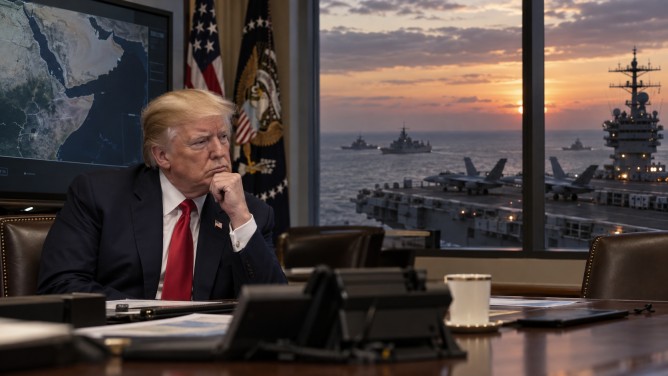
In this context of heightened conflict, US President Donald Trump has once again delayed a decision on launching military strikes against Houthi targets in Yemen. Despite the US military’s preparations for potential operations, including the approval of target lists and the readiness of warplanes, the administration has opted to hold off on any immediate action. This decision follows President Trump’s initial instruction to the Pentagon to prepare for airstrikes after consultations with Saudi Crown Prince Mohammed bin Salman.
The US hesitation comes amid concerns about further straining military resources already heavily engaged in broader conflicts involving Iran. Some US officials have expressed apprehensions that opening another military front against the Houthis might not achieve the desired pressure to alter their stance, especially as past military efforts have not led to a lasting resolution.
The Saudi call for US intervention stems from intensified Houthi attacks targeting Saudi interests, prompting the kingdom to seek support. However, the complexity of the situation and the potential repercussions of military action have made the decision challenging for the US administration.
As the situation remains fluid, questions persist about the effectiveness of airstrikes alone in changing the dynamics on the ground. The complexities of the Yemen conflict, coupled with the strategic importance of the region, continue to pose significant challenges for international actors seeking a sustainable and peaceful resolution.