

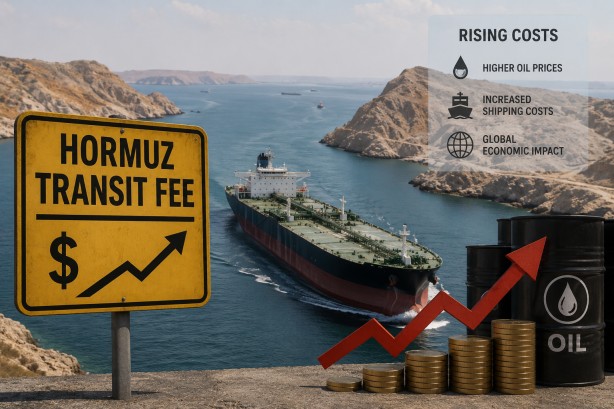
The Strait of Hormuz, a critical artery for global energy supplies, is at the center of a new proposal by Iran and Oman that aims to impose transit fees on ships navigating this strategic passage. The initiative suggests a levy of approximately $1 for every barrel of oil transported through the waterway, which is significant given that Brent crude is currently priced around $86 per barrel. This charge would constitute about 1.2% of the oil’s value, potentially reshaping the economics of energy trade through one of the world’s busiest maritime routes.
Handling nearly 20% of the world’s oil consumption, the Strait of Hormuz is pivotal to international trade. Analysts project that the proposed fees could generate approximately $6.8 billion annually based on existing shipping volumes. This figure would exceed the revenues from transit fees collected by the Suez Canal, underscoring the lucrative nature of the proposed charges. While the fee’s immediate impact on shipping costs may seem minor, experts caution that such expenses could eventually trickle down to affect global fuel prices, air travel costs, freight rates, and the broader spectrum of imported goods.
Proponents of the proposal suggest that instituting a transparent fee structure could mitigate the risk of disruptions or temporary closures in the Strait, events which historically have led to spikes in energy prices and increased market volatility. However, the long-term stability and enforceability of this agreement remain points of contention. The potential for increased transit costs is prompting Gulf nations to explore alternative export pathways. Notably, the United Arab Emirates is channeling investments into developing pipelines and ports that bypass the Strait, while Saudi Arabia is enhancing the capacity of its East-West pipeline to reduce its dependency on this narrow maritime corridor.
These infrastructure developments could, over time, decrease the volume of oil that needs to pass through the Strait of Hormuz, potentially diminishing the long-term financial returns from any future transit fees. As Gulf countries diversify their export routes, the dynamics of oil transportation in the region could shift, with implications for global energy markets. This evolving landscape underlines the strategic adjustments being undertaken in response to potential changes in transit cost structures and geopolitical pressures in the region.