

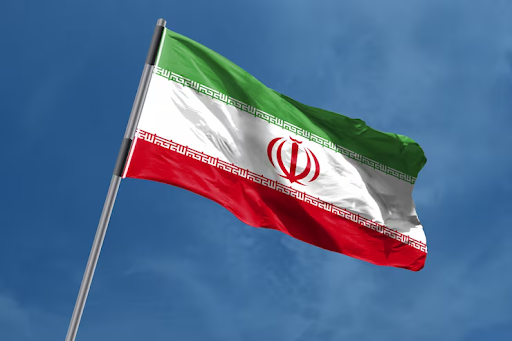
Pakistan has emerged as the crucial diplomatic bridge between the United States and Iran in the current conflict, shuttling proposals between the two capitals and maintaining the communication lines that represent the best hope of avoiding a further escalation. Islamabad’s role as intermediary reflects both its unique relationships with both parties and its own compelling interest in preventing a war on its doorstep from spiralling further out of control.
Pakistan shares a long and complicated border with Iran, and the two countries have historically maintained a relationship characterised by both cooperation and tension. But Pakistan has also cultivated close ties with the United States, making it one of the few countries in the world that can credibly communicate with both Tehran and Washington simultaneously. That dual relationship has made Islamabad the indispensable post office of this conflict, physically delivering the 15-point US ceasefire proposal to Iran and transmitting Tehran’s rejection and counter-proposal back to Washington.
The role carries significant risks for Pakistan. Being seen as too closely aligned with the US position could damage its relationship with Iran; being seen as too sympathetic to Tehran could inflame domestic political tensions and create friction with Washington. Pakistani officials have navigated this tightrope with considerable skill, maintaining the posture of a neutral facilitator while working actively to prevent the breakdown of communication between the warring parties.
Pakistan’s own security calculus gives it strong incentives to end the war quickly. The conflict has disrupted regional trade, driven up energy prices that Pakistan — a major energy importer — can ill afford, and created the risk of spillover violence along its borders. Any further escalation, particularly a US ground operation against Iran, would create refugee flows, sectarian tensions, and security complications that Islamabad is poorly positioned to manage.
Egypt and Turkey have also positioned themselves as potential hosts for direct talks, but Pakistan’s intimate knowledge of both parties’ positions, built up through weeks of shuttle diplomacy, gives it a unique advantage. If face-to-face negotiations between Iranian and American officials do begin, as Egyptian and Pakistani officials have suggested they might, Islamabad’s role as the architect of that channel would represent one of the most significant diplomatic achievements in Pakistan’s modern history.