

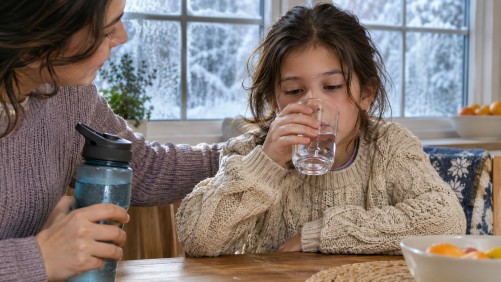
As the winter months roll in, parents may mistakenly believe that dehydration is a concern only during the hotter seasons. However, children are also at risk of becoming dehydrated in colder weather. This is primarily because the chilly temperatures often diminish their natural urge to drink water. Despite sweating less, children’s bodies still require adequate fluids to function properly, maintain normal digestion, regulate bodily functions, and eliminate waste.
During winter, children might unknowingly reduce their water intake, which can lead to dehydration and constipation. Parents should be vigilant about their children’s fluid consumption and watch for changes in urination and bowel movements. Identifying early signs of dehydration can help parents address the issue before it escalates.
One key indicator of dehydration is dark-colored urine. If a child’s urine appears darker or more concentrated than usual, it may suggest insufficient fluid intake. Another sign is reduced urination; fewer trips to the bathroom might signal inadequate hydration. Constipation is also a symptom, as not drinking enough water can make stools harder and more difficult to pass. Additionally, hard or dry stools can indicate dehydration, making bowel movements uncomfortable for children.
To help prevent winter dehydration, parents can adopt several strategies to ensure children remain hydrated. Encouraging regular fluid intake is crucial, and small amounts of water should be offered frequently, even during indoor activities. Warm soups, such as vegetable soups and homemade broths, can provide hydration while supplying additional nutrients. Serving milk and other warm drinks like herbal teas can also increase fluid consumption. Including water-rich fruits like oranges and grapes in their diet is another effective way to boost hydration.
Maintaining consistent drinking habits is important. Parents should encourage children to drink water after waking up, between meals, and before or after outdoor activities. Monitoring changes in energy levels, urination, and bowel habits can help parents catch signs of dehydration early. If severe dehydration symptoms appear—such as unusual drowsiness, a very dry mouth, sunken eyes, or an inability to keep fluids down—immediate medical attention is advised.
With a few simple daily habits, winter dehydration can often be prevented. By making fluids a regular part of children’s routines, parents can support healthy digestion, normal urination, and overall well-being throughout the colder months.